

Starting a food and exercise journal doesn’t need to be anything complicated and certainly doesn’t need to be fancy. It only needs to be functional and easy to read when you need to look back at it. Remember that the whole point of this isn’t to add one more hassle to your to-do list. It’s simply to help you figure out what is working (and maybe what isn’t working) in your health and fitness journey. Sometimes we may think we had an okay day, only to look back and see areas that really weren’t quite as good as we “remembered”. To many people, the pen and paper version may seem old school and that is fine. The apps and devices out there now are top-notch and can be extremely helpful (see below for some that my clients love!), but for the few that want to do this the old-fashioned way, grab your tablet and chisel, and let’s get started! And for those of you who are into apps and gadgets, there are some things for you here, too!
First, before you write anything, you need to consider your goals. Your goal(s) need to be front and center at the very beginning. Write them where you can see them first thing. In fact, write them on lots of things and place around your house (the refrigerator, bathroom mirror, closet door, etc.). Keeping this end goal at the front of your mind, will help keep you from becoming distracted when “life happens”…because it will. What is your long-term goal and what are some short-term goals you can achieve on your way to the larger goal? Are your goals realistic and achievable? Can you track them easily or are they vague? Be very specific. If you love setting reminders on your phone, use it! It’s a great idea and extremely helpful for keeping your goals at the front of your mind especially when you can set reminders throughout the day to workout or to meal prep, etc. Reminders help us when we are distracted, and if you are like me, it’s easy to get distracted and off course when life happens (which it tends to do).
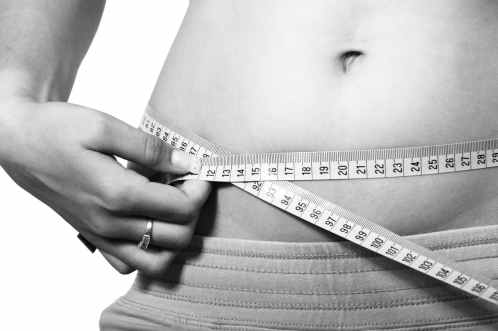
Let’s go over an example of setting goals. Maybe your long-term goal is to lose 100 lbs. This is achievable but not in 90 days. Maybe a short-term, realistic goal would be to lose 15 lbs in 90 days. (Since we’re talking about weight, weight-loss is a great goal if this is something you need to do, but be cautious about stalking the scale. Pay attention to how your clothes fit and think about taking pictures so you can see changes even when the scale may not move at times.) Map out how long you need to lose your 100 lbs. and chart all the smaller goals on the way to your larger goal. The specific ways you need to get to the larger goal need to be written down with intention. Congratulations in advance…your chances of success just skyrocketed by mapping out your complete plan!
Every day, multiple times throughout the day, you are going to look at your goals. You are going to see your plan often, and it will remind you that consistency and persistency is the key to getting where you want to be. After all, you didn’t get where you currently are in your health and fitness overnight. It takes time to get out of shape, and yes, it will take time to get back in shape and hopefully even better than you were before!
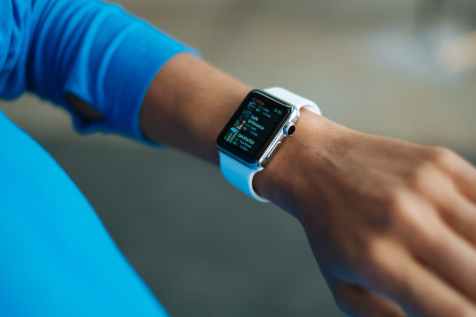
As promised, for you techies out there, here are some fitness gadgets that my clients LOVE and perhaps wonder what they ever did without them… (Feel free to leave in the comments your favs or not-so-favs and why! I’d love to hear!) There are lots of different options within each brand as well. The possibilities seem endless as far as variety and function depending on your budget, so I haven’t listed everything here. Oh, and these are in no particular order…
1) Apple Watch – My clients rave about the Apple Watch. It’s sleek design makes it perfect with any attire, but it’s also extremely functional with lots of features. They find that it’s really user-friendly in tracking activity and heart-rate. In addition, being able to text and receive calls is a bonus.
2) Garmin – My clients who run or do long walks, hang on to their Garmin for those things even if they also have another option they wear for other things. But now Garmin has come out with the Vivosmart 4 and the Vivosport that are sleeker and still offer plenty of options.
3) Samsung Gear S3 Classic – I have one client that has this one, and she absolutely loves it and says she would definitely recommend to anyone. It has lots of bells and whistles including tracking sleep, activity and heart rate. It also has plenty of other features and allows you to text and receive calls.
4) Fit Bit – I’ve had clients in the past that used a Fit Bit, but since I don’t have any clients that use a Fit Bit right now, I don’t have a version preference or suggestions so I’m just giving some basic info. There are various options to fit whatever your needs may be and they range in price as well. The Fitbit Ionic and the Fitbit Versa are considered smartwatches. The Fitbit Charge 3 is waterproof, tracks your activity and heartrate and will set you back around $150 or so. Again, happy to hear any comments/suggestions from real-life applications if you’ve tried one.
Remember, the most important thing about exercise and nutrition tracking is brutal honesty. If you eat it, it gets tracked. ALL exercise gets tracked. This is the best way you will learn what is working for you and what your shortcomings are so you can improve, and that’s what this is all about anyway!
Again, there are loads of gadgets out there to make this paperless for you, so do some shopping around. Each brand seems to offer various options with various price-ranges as well. Would love to hear your favorites!
Here’s to YOUR health!
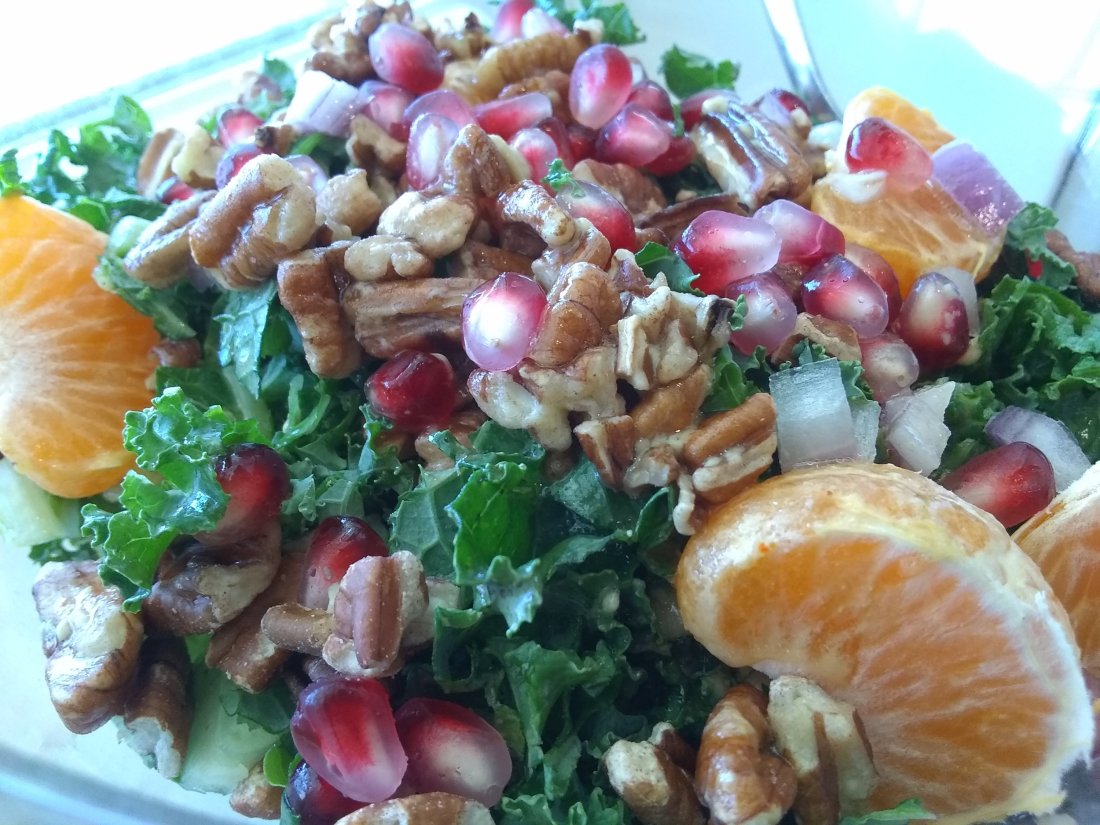
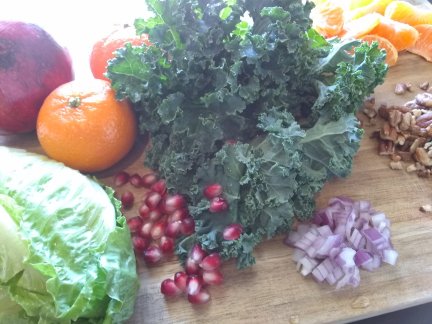



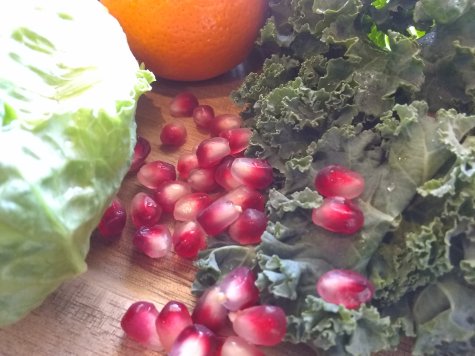


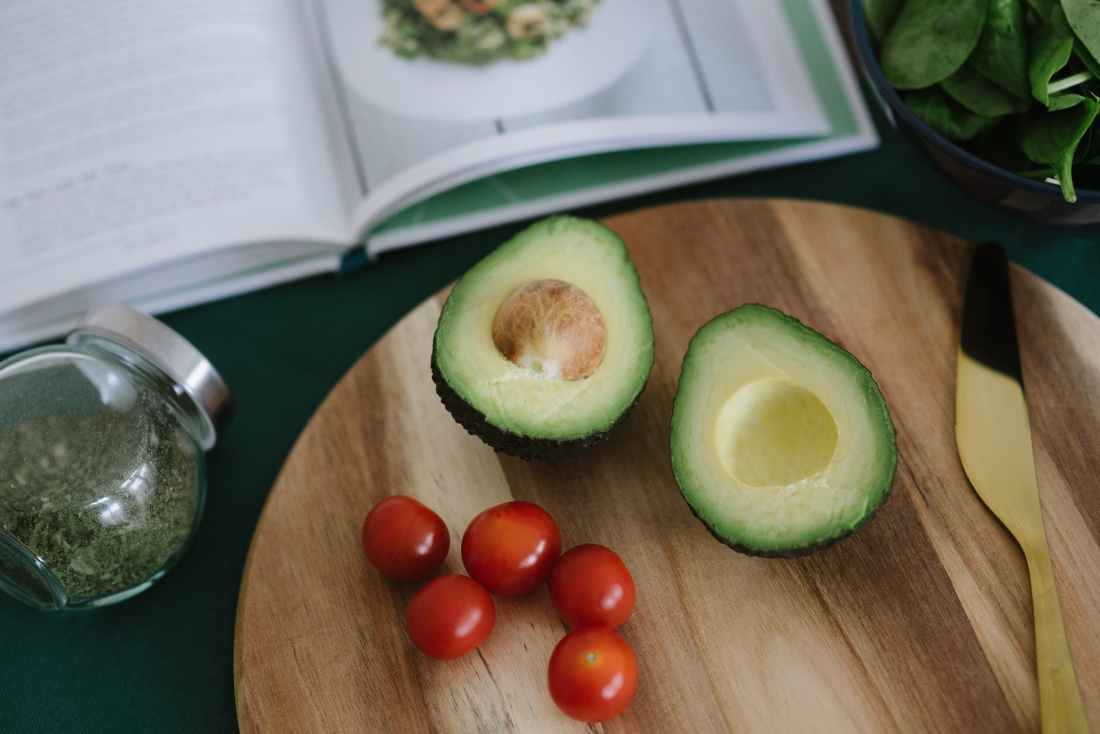
 We really are what we eat. If we consistently put garbage into our bodies, we will see and feel the effects of that. On the other hand, if we feed our bodies with the nutrients it craves, we will feel those affects as well, and it’s awesome.
 Old habits die hard. You may be set in your ways. You may be used to eating all your meals out of a box or from the drive thru. But you may have also noticed that your health isn’t what it used to be. You may have noticed that you just don’t feel as good as you used to. And don’t just attribute that feeling to aging. We can all live full and healthy lives without feeling like garbage by the time we hit forty. If you are taking mounds of prescription drugs and just have considered this the new norm and that it’s just part of getting older, think again! Although there is a place for prescription drugs for certain conditions, in general, our bodies are beautifully designed to feel great and to function optimally when we fuel them optimally. Think about this…what are your grocery store staples? If you make a weekly trip to the grocery store, what is always in your cart? What are your must-haves? Part of making a change is to identify what needs changing. If your eating habits are really struggling and you know you need some professional help, perhaps a nutritional expert can help steer you in the right direction if you feel that you need a little push in the beginning. If you’re committed to trying this on your own for now and you really, sincerely want to make some changes, let’s start by changing the way we shop. We have so many options now…more than generations before us ever had! Sounds awesome, doesn’t it? Maybe too many options though? Too much convenience has created a culture of dependence on these things, and maybe it’s all we’ve ever known. Ever hear anyone say to shop the perimeter at the grocery store? There is truth to this! All the fresh stuff is there! All the stuff in boxes tends to lurk about in the middle.
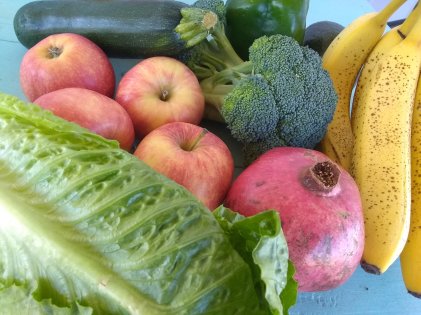 I thought it may help to share with you my grocery list staples. These are items I keep at my house at all times, and I never want to run out of them. Some are weekly, like the stuff that needs to be purchased fresh, and some stuff is occasionally, like seeds I keep on hand for my smoothies. I have never claimed to be perfect, but the key here is to make the junk more of a rare treat than a daily one.
 and
and  Fit Simplified